Related Articles




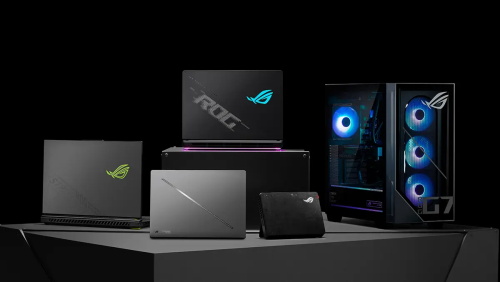
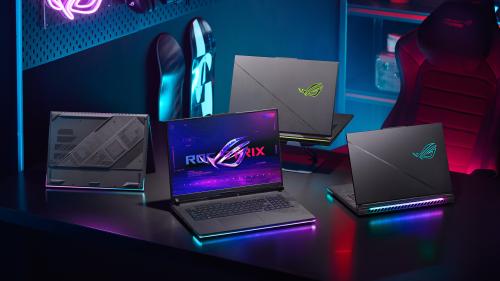
The gaming-laptop market in 2025 has crossed a threshold. No longer confined to brute-force desktop replacements, today’s machines merge serious performance with sleeker design, AI-driven smarter systems, and displays that rival dedicated gaming monitors. This year’s standout line-up is driven by new GPU generations, display breakthroughs, and telling shifts in how we define “gaming laptop”.
We’re now seeing entries powered by the latest mobile versions of the NVIDIA RTX 50-series, paired with ultra-fast CPUs (both Intel and AMD) and advanced cooling solutions that allow thinner bodies without sacrificing speed. At the same time, displays have upped their game — 2.5 K or 4 K panels, 240 Hz refresh or higher, OLED or Mini LED with excellent contrast and motion clarity.
We’re entering an era where “gaming laptop” features go beyond raw fps: dynamic, AI-driven tuning, improved efficiency, expanded upgradeability, and portability that genuinely matters.
2025 Gaming Laptop Landscape: What’s Changed
Hardware & performance leaps
The 2025 market sees many models equipped with NVIDIA GeForce RTX 50-series (Laptop GPUs)—e.g., RTX 5080/5090 options.
New CPUs such as Intel’s “Ultra 9/ H” / AMD’s “HX” series paired with high-performance laptop GPUs.
Display tech has leapt: Many models carry OLED or Mini-LED panels, high refresh (240 Hz+), QHD or higher resolution.
Cooling and build design have advanced: more vapor-chamber/advanced thermal solutions to manage the high-TGP (Total Graphics Power) / high wattage laptops.
Key buying-themes / trade-offs
Performance vs portability: Desktop-replacement 18-inch beasts deliver max performance but weigh and cost a lot; ultralights give portability but fewer GPU watts.
Battery life still a challenge: Even top laptops struggle unplugged for long. Reviews highlight that.
Value tiers expanding: There’s more segmentation—premium machines (>$3k), mainstream “performer” machines ($1.5k-2.5k), budget gaming laptops <$1.3k.
Future-proofing matters: Given rising game demands (VRAM, resolution, ray tracing), many Reddit users caution about under-spec’d machines. > “At this point you’ll think maybe I’ll get a gpu with 12 GB of vram and then you see the prices”
Top Recommended Models for 2025
Below are six models that illustrate the spectrum—from high-end powerhouses to more budget friendly picks. (Note: Pricing varies by region/config.)
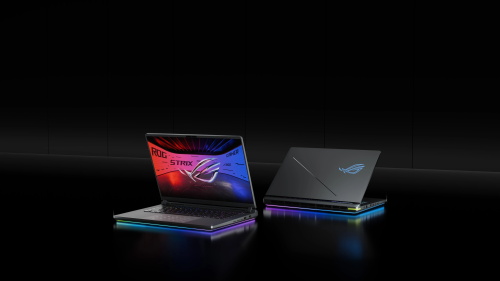
ASUS ROG Zephyrus G16 (2025): A strong balanced premium offering. 16″ chassis, likely top-tier GPU options (e.g., RTX 5070 based variant shown) and relatively thin profile for the performance. Excellent all-rounder.
(Image from ROG-ASUS, the copyright belongs to the original author)
ASUS ROG Strix G16 (2025): Slightly more gaming-centric than the Zephyrus, with esports-level refresh rate and strong cooling; good choice for gamers who want performance but slightly more budget breathing room.
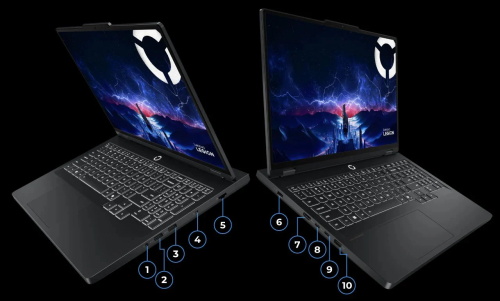
Lenovo Legion Pro 5i 16″ (2025): A value-oriented high-spec machine. Strong display, good thermal system, strong GPU, but maybe bigger/heavier.
(Image from Lenovo, the copyright belongs to the original author)
ASUS ROG Zephyrus G14 (2025): The ultraportable tier. Smaller 14″ size, good for mobility + gaming. A trade-off: smaller screen, possibly lower GPU wattage, but excellent for on-the-go.
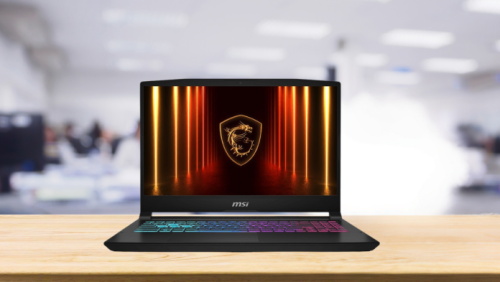
MSI Katana 15 HX (2025): A “budget gaming” large-screen option—15.6″, decent specs (e.g., i7 HX + RTX 5050 in one listing) at more accessible price point.
(Image from VARGE, the copyright belongs to the original author)
Lenovo Legion 5i 15.1″ (2025): Entry to mid-tier gaming laptop; good for those who don’t need ultra-top specs but still want modern GPU + gaming performance.
What to Look For – & What to Avoid
Must-check specs
GPU wattage & model – For longevity and high-settings gaming, aim for higher TGP models (e.g., RTX 5080/5090 laptop) rather than just “GTX/RTX” numbers.
Display quality – QHD (2560×1440) or 2.5K/3K + refresh ≥ 240 Hz is ideal. Panels matter for immersion and competitive edge.
Cooling & thermals – A powerful machine means heat. Good chassis, vapor chambers, well designed fans = better sustained performance.
Upgradeability & ports – RAM/SSD upgrade options, good port selection (USB-C, HDMI, etc).
Battery & form factor expectations – If you need portable gaming unplugged, choose lighter size + moderate GPU; if you’re mostly plugged in, heavier machines with higher power are okay.
Budget vs value – Don’t overspend on specs you won’t use.
Common pitfalls
Being seduced by thin/light but low-watt GPUs – might look nice but won’t hold up in demanding games for long.
Ignoring thermals – some high-end laptops throttle under sustained load if cooling is weak.
Poor battery expectation – many 2025 gaming laptops still get only a few hours unplugged.
High price for diminishing returns – once you hit top-tier (e.g., RTX 5090) you pay much more for incremental gains.
Which Category Fits You?
Desktop‐replacement / hardcore gamer: If you want max fps, highest settings, large screen (17-18″) and don’t care much about portability → go for the highest end (RTX 5080/5090 + high TGP).
Mainstream gamer / hybrid use: If you game a lot but also want portability/creativity (streaming, editing) → 16″ high refresh QHD + strong GPU, like Zephyrus G16 or Legion Pro.
Mobile gamer / frequent traveller: Prioritise weight/size, good performance but maybe slightly lower GPU wattage; consider something like Zephyrus G14.
Budget‐conscious gamer: Want current-generation hardware, respectable performance, but don’t need ultra-top specs → Katana 15, Legion 5i entry tier.
Further Tech & Market Trends for 2025
Here are more of what’s shaping the gaming laptop market this year:
• Next-gen GPU/CPU arms race
Many laptops ship with the mobile versions of the NVIDIA “RTX 50-series” (for laptops) or high-wattage variants such as RTX 5070/5080/5090. E.g., reviews mention the ASUS ROG Strix SCAR 18 (2025) offering RTX 5070/5080/5090 options.
On the CPU side you see high-end mobile chips like Intel Core Ultra 9 285H or analogous “HX”/“H” class chips pairing with the GPUs.
Some emerging focus on AI features (for fans/thermal control/game-optimisation) and even modular upgradeability in niche models.
• Displays & refresh rates
The standard is shifting toward premium panels: QHD or higher (2560×1440 or 16-10 aspect), OLED or Mini-LED, refresh rates of 240 Hz or more. For example: the Blade 16 (2025) reviewed with 2560×1600 240Hz display.
A trend of “dual-mode” displays (4K/120Hz or FHD/240Hz) for machines that are both creative & gaming.
• Cooling, thermals & power draw
Heat management is more important than ever — high-wattage GPUs + CPUs demand excellent cooling systems: vapor chambers, liquid-metal thermal paste, multiple fans.
Battery life is still weak for full gaming sessions unplugged; many users still expect < 4–5 h under heavy load. Eg: Blade 14 (2025) review said ~4 hours for office use, ~1 hour gaming.
• Value tiers & trade-offs
You now see more segmentation:
Premium (desktop-replacement) with top GPU/CPU, big/heavy chassis, high cost.
Mainstream gamer: strong GPU/CPU, good display, more manageable size.
Budget/entry: lower wattage GPU, simpler cooling, fewer frills.
• Upgradeability & future proofing
Some laptop models are offering more upgrade options (RAM, SSD), or even modular GPU slots in very niche cases. E.g., Framework Laptop 16 (2025) emphasised modularity.
VRAM sizes matter: many 70-series laptop GPUs still have 8 GB, which may get bottlenecked for high-res/textures. > “The 8 GB VRAM buffer is an absolute DEAL BREAKER.”
The 2025 lineup for gaming laptops is genuinely exciting. The leap in GPU/CPU/display tech means you’re closer than ever to desktop-grade gaming in a portable form. That said, the fundamentals still matter: cooling, build quality, display, and realistic expectations about battery life and value.
If I had to pick one recommendation for most gamers it would be: invest in the best GPU you can afford, ensure you get a high-quality display + good cooling, and then make trade-offs in size/portability if needed. The models above cover the spectrum nicely.
References:
https://bizzmarkblog.com/2025-gaming-laptop-specs-whats-new-and-what-to-avoid
https://www.lenovo.com/us/en/knowledgebase/gaming-laptops-2025-a-comprehensive-guide
https://www.accio.com/business/current-market-trends-in-gaming-laptops-2025
https://www.pcgamesn.com/best-gaming-laptop
