Related Articles




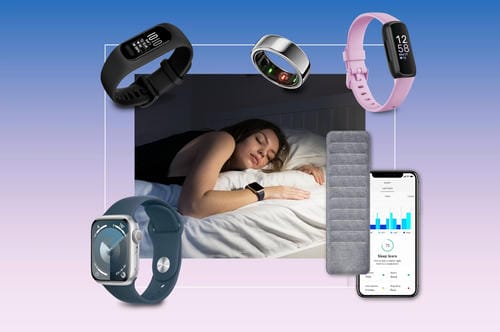
Every evening, as we slip beneath the covers and settle into bed, most of us expect sleep to happen passively — a natural process governed by our circadian rhythms. But what if rest could become more deliberate, more intelligent? Imagine a home that senses when you’re tense, when your breathing races, or when the light, sound, or temperature in your room might steal away restorative sleep — and gently adjusts to support calm, recovery, and renewal. Advances in sensor technology, ambient monitoring, and automation are making this vision a reality. Instead of just being a place to crash, our homes are beginning to double as wellness sanctuaries — quietly detecting stress, optimizing the sleep environment, and nudging us toward deeper, healthier rest.
The Rise of Smart-Home Sleep and Stress Monitoring
In recent years a growing body of research and commercial development has focused on in-home sleep monitoring and stress detection. Traditional tools like wearable sleep trackers or sleep apps provide useful data, but smart-home integrated systems go further — offering continuous, often non-intrusive monitoring that blends with daily life. A comprehensive review of home sleep technologies found that smartphone apps, wearables, and especially smart mattresses provide a mix of physiological data collection, movement detection, environmental sensing, and AI-driven analytics to assess sleep quality.
Smart mattresses and bed sensors employ advanced sensing: such beds can detect sleep posture, movement, breathing patterns, heart rate, and even breathing irregularities or snoring. In research, bed sensors using load-cells and flexible film transducers have shown surprisingly good alignment with traditional clinical sleep studies (polysomnography), with high accuracy in differentiating “sleep” vs “wake” states. [1] According to one specialist sleep-tech article, modern smart mattresses don’t just passively monitor — they analyze subtle body cues such as elevated heart rate, restless tossing, or irregular breathing that may reflect underlying stress.

But why does this matter? Because stress (even unrecognized stress) can disrupt sleep architecture — making restorative sleep harder to achieve. Chronic stress also impairs recovery, cognition, and daytime performance. Smart-home wellness systems conceive of sleep and stress as deeply linked: by continuously monitoring sleep and bio-signals, they potentially help identify sleep disturbances caused by stress before we consciously recognize them. A home environment integrated with these systems can support healthier sleep habits and may even intervene to nudge users toward better rest.
One concrete example is a system described in academic research called HypnOS — an “intelligent home” framework combining under-mattress sensors, wearable trackers, and ambient monitoring (light, noise, etc.) to track sleep activity, snoring, sleep quality, and lifestyle factors. [2] Another — CaLmi — targets stress management in a similar ambient-intelligence home context, illustrating how “smart homes” could help with both stress reduction and sleep hygiene.
Thus, modern smart-home wellness tools are not just gimmicks: they represent a merging of sleep science, sensor technology, and environmental automation — offering a potentially powerful path toward better rest and healthier living.
What Smart-Home Wellness Tools Look Like in Practice?
Smart Mattress & Sleep Mat Sensors. Under-the-mattress sensor mats or smart mattresses — often with pressure, movement, and biometric sensors — quietly monitor your sleep and physiology without requiring you to wear anything. For example, a sleep mat tracks sleep cycles, heart rate, breathing patterns, snoring, and disturbances. These data feed into algorithms that estimate sleep quality, duration, and even breathing irregularities. Real-time sleep posture recognition is possible in newer smart bed systems based on deep-learning models. This kind of passive, continuous monitoring offers a much less intrusive alternative to wearables or clinical monitoring — and works night after night without effort from the user.
Wearables & Smart Rings. For those who do not want to rely solely on bed sensors, wearable devices remain relevant — especially when integrated into a smart-home ecosystem. Wearables can monitor heart rate variability (HRV), blood oxygen, and other stress indicators, offering a supplemental data stream for sleep and stress analysis. Some smart-home systems and research frameworks combine wearables with environmental sensing to create a fuller picture of context, behavior, and physiology.
Environment Control: Light, Temperature, Sound, Air Quality. Smart-home wellness isn’t just about what happens in bed — it’s also about the environment around you. Smart lighting systems that gradually dim at night, simulate sunset, or adjust color temperature can help regulate circadian rhythms and encourage natural sleep onset. Temperature control is another key factor: many experts recommend keeping bedrooms in a cooler range (about 60–67 °F / ~15.5–19.5 °C) to help the body cool down and initiate sleep. Smart thermostats or room sensors can automatically adjust temperature as bedtime approaches. Smart sound devices — such as white-noise machines or ambient sound systems — can mask disruptive noises and facilitate uninterrupted sleep. Air quality devices and purifiers further enhance breathing comfort, especially in urban or polluted environments (which can affect sleep quality).
Personal Sleep & Stress Insights. With ongoing data collection, smart-home wellness tools can produce detailed sleep-quality reports: how long you actually slept, how deep your sleep was, how often you woke, how often you changed posture, your heart-rate variability, and more. These insights — especially when paired with context (stressful days, late caffeine, screen time, ambient noise/temperature) — could help you recognize hidden patterns that disrupt sleep, or uncover chronic stress you might not consciously notice. Systems designed around these ideas — such as HypnOS — also integrate lifestyle data (diet, daily habits, subjective inputs) to provide a fuller understanding of what affects your rest and recovery.
Selected Smart-Home Wellness Tools Worth Watching
Withings Sleep Tracking Mat — A discreet under-mattress sensor mat that tracks sleep cycles, heart rate, breathing disturbances, and snoring — offering daily “sleep scores” and long-term sleep insights without requiring a wearable.
RingConn Gen 2 Air Smart Ring — A lightweight smart ring that monitors sleep, body signals, and wellness metrics across nights — ideal for those wanting continuous wellness monitoring without bulky wearables.
Hatch Restore 3 Smart Sunrise Alarm Clock — Combines light, sound, and pre-sleep content to help you wind down, wake naturally, and support circadian rhythms — especially in smart-light or smart-home routines.
Honeywell Home Smart Room Sensor — A simple room sensor to monitor and regulate temperature, humidity, and comfort — useful for creating and maintaining a sleep-friendly bedroom environment automatically.
TouchPoints for Sleep — A wearable calming device using gentle vibrations to reduce stress and help you fall (or return) to sleep — useful when stress or anxiety disrupts bedtime.
Amazon Halo Rise Sleep Tracker — A no-contact sleep tracker placed bedside that monitors body movement, breathing, room conditions — handy for users who dislike wearables.
HomeSeer HSM200 Z-Wave Multi-Sensor — A versatile environmental sensor (motion, temperature, light) that can tie into broader smart-home automation — enabling dynamic environmental adjustments for better sleep comfort.
Dreamegg Sunrise 1 Sleep Sound Machine — A sound-based sleep aid that helps mask disturbances and foster relaxation — ideal in noisy or unpredictable living spaces.
Smart homes are no longer just about convenience or energy efficiency. With advances in sensor technology, data analytics, and ambient control, they are increasingly positioned as environments that can support human wellness — helping us manage stress, regulate sleep, and recover better. As the science behind sleep and stress continues to deepen, and as smart-home ecosystems become more integrated, our living spaces may evolve into proactive allies in health and well-being.
Sources:
[1]: https://arxiv.org/abs/2104.02159
[2]: https://www.mdpi.com/1424-8220/21/7/2398
References:
https://pmc.ncbi.nlm.nih.gov/articles/PMC12374677
https://www.thensf.org/technology-and-sleep