Related Articles




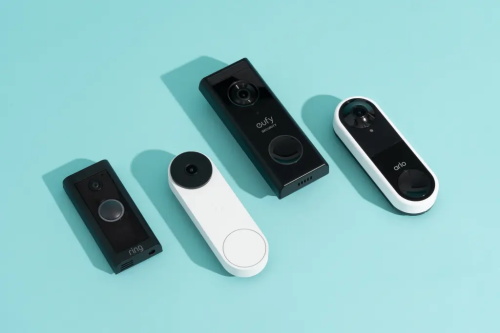
In an era of increasingly interconnected homes, security systems are evolving from passive alarm mechanisms into intelligent guardians. Today's homeowners no longer need just a recording camera; they need a system that can think, integrate, and adapt. From video doorbells that can distinguish between delivery drivers and lurking strangers to sensors that can interact with lights, locks, and voice assistants, smart home security is entering an unprecedentedly complex phase. Leading innovations such as AI threat detection, seamless automation, sensor fusion, and privacy-first storage systems are making the devices protecting our doorsteps and yards more powerful and collaborative than ever before. Therefore, home security is no longer just about monitoring what's happening, but about predicting what might happen and taking appropriate action.
The Changing Landscape of Home Security
Driven by the growing consumer demand for enhanced access control, the smart doorbell market alone is projected to reach $15.48 billion by 2032.1 The broader smart home security market is also expanding rapidly—it could exceed $100 billion by 2025, according to one study.2 What factors are driving this growth?
The booming smart home security market is primarily driven by growing security concerns. With increasing burglaries and package thefts, homeowners are seeking more reliable ways to protect their property.
As more and more smart home devices become widespread, connected lights, speakers, and thermostats are being added, and security cameras and sensors are a natural extension.
AI-driven threat detection, facial and object recognition, and seamless smart home integration make devices smarter, reduce false alarms, and increase value.
Wireless devices, DIY installation, and flexible subscription models lower the barrier to entry, making smart security systems more accessible to ordinary households.
New Features of Cameras and Video Doorbells
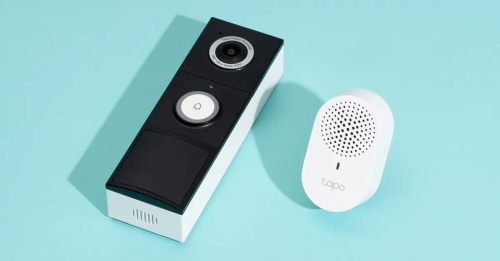
Video doorbells have long since moved beyond the simple "someone presses a button, and the video appears" model. Modern models boast a wider field of view, capturing the entire doorway, including packages placed on the floor, and offer higher resolution images, typically 2K or 4K. Advanced detection capabilities allow these devices to differentiate between people, pets, vehicles, and other objects, significantly reducing false alarms. Integration with smart home systems enables automated operation—for example, automatically turning on lights along the way when someone approaches the door while you're not home. Many doorbells also offer flexible storage options, including local storage for privacy-conscious users and convenient cloud backup.
Similar leaps have been made in indoor and outdoor security cameras. AI-driven analytics can now distinguish between people and pets, making alarms more targeted. Night vision has also improved, with some cameras providing full-color imaging even in low-light conditions. Outdoor cameras are designed to withstand extreme weather conditions, and many models come with battery or solar power options, simplifying installation. High-definition optics and a wider field of view ensure clear capture of important details such as faces, license plates, or packages. Cameras are increasingly integrated with smart home systems, enabling them to automatically trigger door locks, lights, or alarms.
(Image from CNET, the copyright belongs to the original author)
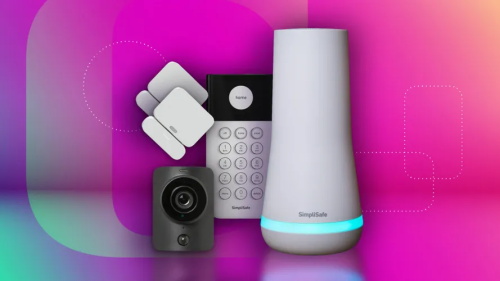
Equally important, sensors continue to play a crucial role in home security. Modern door and window sensors, as well as multi-sensor devices combining motion, sound, and vibration detection, improve security accuracy and reduce false alarms. Environmental sensors, such as leak, smoke, or carbon monoxide detectors, are also increasingly integrated into security systems. These sensors can also be connected to automation programs to trigger lights, alarms, or smart locks based on detected activity. These sensors, along with cameras and doorbells, form a complete network that provides not only monitoring but also intelligent, responsive protection.
Recommended Products: Cameras, Doorbells, and Sensors
The following eight products represent the latest trends in smart home security and are worth recommending. Each product has its advantages—you can choose the one that best suits your budget, ecosystem, and needs.
Google Nest Cam Outdoor (Battery Version): A high-end wireless outdoor camera from Google. It works seamlessly with the Google Home ecosystem, distinguishing between people/animals/vehicles, and its battery power allows for flexible placement.
Google Nest Cam Outdoor Wired 2nd Generation: Offers similar ecosystem advantages but with wired connectivity (ideal for continuous power supply) and more advanced features (including continuous video recording based on subscription) and top-tier performance in benchmarks.
Blink Outdoor 4 Wireless Smart Camera: This user-friendly wireless camera from Blink boasts long battery life (up to 2 years with AA batteries in some cases), making it a good choice for budget-conscious users or those seeking flexible installation.
Night Owl 2K Wireless 4-Camera Kit: Includes 2 K-resolution wireless cameras, built-in AI, and local storage (64 GB microSD), meaning you can avoid or reduce your reliance on cloud subscriptions.
SimpliSafe 9-Piece Outdoor Home Security System: More than just cameras, this is a comprehensive system including sensors, outdoor components, and optional professional monitoring services. Ideal for users who need a complete solution.
Reolink 12MP Smart Monitoring System: A high-resolution (12MP) wired monitoring system for advanced users. Offers excellent detail and powerful monitoring performance for users requiring robust security features.
Blink Outdoor 4 XR Wireless Security Camera System: Another Blink product, focused on wide-area outdoor coverage (long-range wireless), ideal for large properties.
ANNKE 3K Lite Wired Security Camera System: A wired system geared towards DIY installers, offering high-resolution (3K) wired cameras. If you are familiar with wiring and need strong surveillance coverage, this system is perfect for you.
How to Choose?
Ecosystem Compatibility: If you already own Google Home devices (or Nest speakers/displays), Nest products are a good choice. If you want an affordable and flexible product, Blink might suffice.
Power and Connectivity: Battery Powered vs. Wired Powered. Battery-powered installation is simple but requires regular charging or replacement; wired power provides continuous power but requires installation.
Resolution and Features: Higher resolution (2K, 3K, 12MP) means clearer face/license plate details. If this is important to you, choose accordingly.
Storage vs. Subscription: Check if the system supports local storage (microSD/NVR) or requires a cloud subscription. Some users dislike monthly fees.
Sensors and Full System vs. Single Device: If you only need a front door camera and doorbell, a single camera is sufficient. If you want a complete home security system (camera + door/window sensors + motion detectors), consider a more comprehensive package (such as SimpliSafe or a combined system).
Outdoor vs. Indoor: If you primarily focus on outdoor coverage (driveway, yard, remote property), choose an outdoor-specific device with weatherproofing and long-range capabilities.
Budget and Ease of Hands-on Experience: Some systems are plug-and-play; others require wiring, installation, and some technical setup. Choose based on your specific needs.
The smart home security field is evolving at an unprecedented pace—from simple cameras or doorbells to interconnected systems that integrate intelligence, sensors, and seamless automation. The global market size is projected to surge from approximately $33.9 billion in 2024 to over $82 billion in 2030, representing a CAGR of approximately 15% from 2025 to 2030.
Choosing the right equipment is just the beginning. How you deploy, integrate, maintain, and incorporate it into your lifestyle will determine its actual impact on you. Cameras, video doorbells, and sensors now offer advanced features such as AI-driven anomaly detection, Matter/Thread compatibility, local and cloud storage options, and multiple power sources (battery, wired, or solar)—but their true value lies in how these components function when combined into a system that seamlessly integrates into your daily life.
Sources:
1: https://www.globenewswire.com/news-release/2025/09/12/3149124/0/en/Smart-Doorbell-Market-Size-to-Hit-USD-15-48-Billion-by-2032-Driven-by-Growing-Demand-for-Home-Security-Devices-Research-by-SNS-Insider.html
2: https://www.theajcenter.com/homesecurity
Reference:
https://www.grandviewresearch.com/industry-analysis/smart-home-security-market-report
