Related Articles




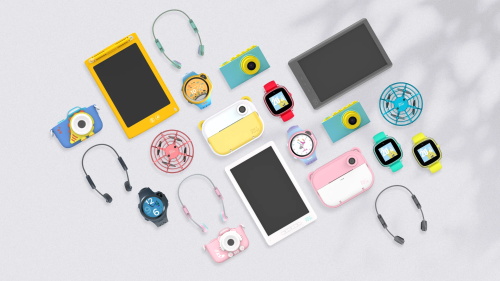
In modern families, technology is no longer just a nice-to-have, but an integral part of daily life. From smartwatches that help children develop independence to tablets designed for creative learning, the choices are endless. But the real challenge lies in making the right choice. Which devices combine fun and educational value with robust safety features? How can electronic devices enhance parent-child bonding rather than become a distraction? This guide explores the importance of child-safe technology, highlights key features, and highlights a list of top-tier, trustworthy tech products. Whether you're looking for your child's first wearable device, a safe and practical smart home assistant, or a tablet designed specifically for younger children, this guide will be helpful.
Why Kid-Safe Tech Matters?
Technology offers enormous benefits: educational apps, interactive experiences, connectivity across distances, and new ways for kids to engage with the world. At the same time, multiple studies emphasise that children are especially vulnerable to hidden risks in connected devices and services. One research paper pointed out that smart toys — devices seemingly benign and fun — can sometimes expose children’s data, track location, or become junctions for privacy breaches.1 Meanwhile, IoT (Internet of Things) devices in family environments can create unanticipated access-points for children to content or services parents may not intend.
What parents should prioritise?
Parental controls & filtered content: Ensuring kids aren’t exposed to inappropriate or unvetted material. For example, services such as Google Family Link allow parents to set restrictions, approve apps, and monitor device use.
No or limited open internet access: Some kid-devices shield children from full web access or social platforms, reducing risk.
Durability & age-appropriate design: Kids are rougher on gear. Devices tailored for younger users often include protective casing, simplified UI, and pedagogically-sound content.
Balance & healthy habits: Beyond device safety features, families need tech boundaries—screen time rules, offline play, and device-free zones.

Connectedness without over-exposure: Devices like smartwatches or tablets can give kids a sense of independence while still keeping parents in-the-loop (via GPS, simplified calling, etc).
In short: “family-friendly tech” doesn’t mean “free-for-all tech”. It means mindful, controlled, age-appropriate, and enabling rather than overwhelming.
Key Features to Look For
Before we dive into device recommendations, here are the features you want to check when evaluating tech for kids:
Parental management dashboard – The ability for a parent to control apps, approve contacts, set bed-time or usage limits.
Safe connectivity – Closed networks (for smartwatches), no direct access to unmoderated social media, location tracking only with consent.
Content filtering & age-appropriate UI – From voice assistants that respond differently when a child is speaking, to kid-friendly themes and learning modes. For example, some smart speakers include “kid-friendly voices” and restricted category access.2
Durability & design – Shock-resistant, easy to carry, comfortable for kids, and built for their activity level.
Educational and play value – The product should have meaningful value (learning games, creativity tools, fitness tracking) not just passive screen time.
Screen-time and habit-forming protections – Features such as “school mode”, bedtime locks, or pausing internet access help promote balance.
Privacy & data protection – Ensure the company has a clear policy about children’s data, minimal third-party tracking, and regular security updates.
Adaptability / growth-proof – Devices that can scale with your child’s age and usage are better value: e.g., settings can evolve, lock-down can loosen as they grow.
By checking for these features, you can separate devices that are mere “kid-friendly marketing” from those that truly respect and support a child’s development and a parent’s peace of mind.
Top Device Recommendations
Here are eight standout devices we recommend for families seeking safe, fun, and effective tech for kids. Each one meets many of the criteria above.
Fitbit Ace LTE Kids Smartwatch Band: A smartwatch designed for kids aged around 7+, blending activity tracking (step counts, movement-based games) with connectivity features. Parents can monitor from their own device. Great for promoting healthy habits while maintaining parental oversight.

myFirst Fone R2 Kids Smartwatch Phone & GPS: This is a “first phone” smart watch for kids aged 5–12. It supports voice and video calls with pre-approved contacts, GPS location tracking, and an SOS button for emergencies. A smart choice when you want connectivity without handing over a full smartphone.
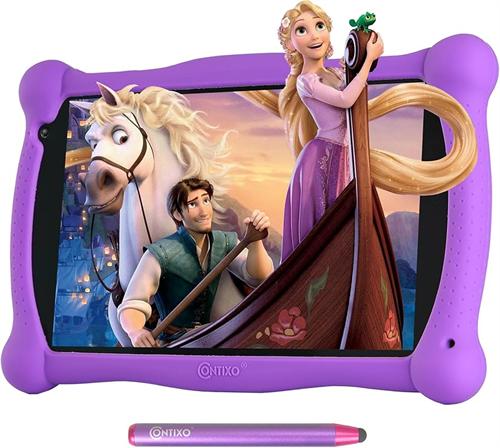
Contixo V10 7″ Kids Tablet: A durable, kids-focused Android tablet bundle, including a stylus and smart watch companion. With built-in educational apps, a kid-friendly case, and limited access to open web, it’s ideal for younger kids who want a tablet experience.
Gizmo Watch 3 Kids GPS Smartwatch: Another strong kids’ smartwatch option: parent-approved contacts only, no open internet access, GPS tracking & voice/video calls. Good for hands-free communication without the distractions of a full smartphone.
Garmin Bounce Kids Smartwatch: A higher-end kids smartwatch with robust build, fitness tracking, activity challenges, splash resistance, and real-time location tracking. Ideal for kids who are active and on the move.
Xplora XGO3 Kids Smartwatch: Focuses on safety and activity: includes GPS, 2 MP camera, SIM-card ready, step-counter that rewards movement with built-in games (with no full app store access). Good “mid-range” solution.
Nickwatch Kids Smartwatch with GPS & Safety Features: A budget-friendly option with two-way voice/text, SOS button, GPS tracking, “school mode” to pause usage during class. A strong entry for younger kids or budget-conscious families.
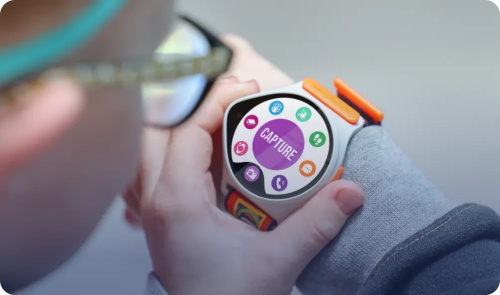
Spacetalk Adventurer 4G Kids Phone/Smartwatch: A premium all-in-one wearable with phone capabilities (4G), GPS, SOS, safe contacts only, no social media or open web. For families where the child is ready for a more mature connectivity device, but you still want safety locks.
Potential Pitfalls & How to Avoid Them
Even with “kid-friendly” tech, families should be aware of potential traps:
Assuming “kids” label equals safety: Just because a device is marketed for children doesn’t guarantee strong protections. Some “smart toys” still had serious vulnerabilities.
Over-exposure: Too much screen time, or too passive usage, can lead to sleep issues, attention problems, or social isolation.
False sense of security: GPS-watches and parental controls don’t replace supervision or discussion. Kids still need guidance.
Hidden costs/upfront subscriptions: Some smartwatches require monthly service plans; make sure you read full terms.
Skipping software updates: Just like any device, security patches matter.
Lack of transition plan: A child device should eventually lead to responsible use of “regular” tech; don’t leave them in a perpetual “kids only” bubble without growth.
Technology will continue to evolve — for families, the question isn’t “will we adopt tech?” but how we adopt it. Smart selection of devices, thoughtful conversation with kids, clear rules, and regular review all contribute to a digital environment that supports safety, learning, connection, and fun.
If I were to summarise the ideal approach in one line: Equip your child with tools, not distractions; enable connection, not unbounded access; and foster curiosity, not passive consumption. The devices listed above are excellent options to start with — but the real “safe + fun” environment arises when device choice is paired with thoughtful parenting.
Sources:
1: https://arxiv.org/abs/1809.05556
2: https://www.wired.com/story/google-assistant-parental-controls-kid-friendly-features/
References:
https://www.gearbrain.com/connected-family-hub-smart-devices-2025-2674228302.html
https://arxiv.org/abs/1911.06607