Related Articles




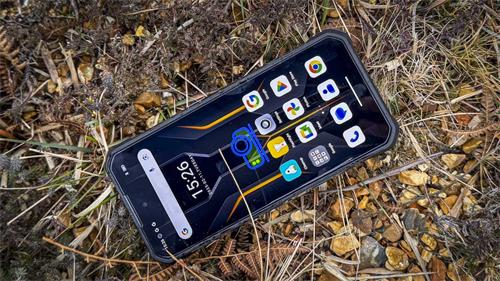
In this era where electronics are practically inseparable—from subway platforms to construction sites, from cafes to mountain trails—accidents are inevitable. A slip, a fall from the bed, or a misstep on a curb can shatter your device. Therefore, investing in truly durable, drop-proof electronics isn't just about preventing screen breakage; it's about reliability, lifespan, and peace of mind. Whether you're a traveling writer navigating continents with your gear, a parent juggling children and electronic devices, a mobile worker in harsh environments, or simply someone who's weathered countless drops—this guide will help you make informed choices, ensuring your next device can handle any situation.
Why Does Durability Matter?
First, let's explore why this topic is relevant. Cracked screens, bent bezels, water damage—these are common problems. But the issue goes beyond that:
The Real-World Risks Are High
Manufacturers of rugged devices often point out that the average smartphone user drops their phone at least once a year. For example, early screen glass testing showed that drops from a height of about 1 meter (over 3 feet) are typical. Even with caution, everyday life (coffee tables, stairs, sofa edges) presents a risk.
Hidden Costs and Aftermath
Besides screen replacement, drops can damage internal components (such as accelerometers, camera alignment devices, solder joints), reduce waterproof and dustproof seals, lower resale value, and even lead to data loss or device downtime. Buying durable equipment is a preventative maintenance measure.
Preparing Your Purchase for the Future
Equipment that can withstand drops, impacts, moisture, and dust typically has a longer lifespan, delaying the need for scrapping or replacement. This translates to greater sustainability, less waste, and ultimately cost savings.
Specific Use Cases Highlight This Need
If you work on construction sites, in warehouses, outdoors, or have noisy children/pets at home, durability is not optional but crucial. Many ordinary consumer electronics are simply not suited for high-intensity or harsh environments. Therefore, durability is important.
Key Durability Certifications and Features
Not all "rugged" claims are the same. The market is flooded with various marketing labels, but you should prioritize product features that are recognized and closely related to actual durability. Here are some of the most important:
Protection Rating (IP)
These markings indicate dust resistance (first digit) and water resistance (second digit). For example, IP68 means "completely dustproof" (6) and "immersible in water up to 1 meter deep" (8). While an IP rating itself doesn't guarantee the device is drop-resistant, it indicates good sealing against external environmental factors.
MIL-STD-810 (and its variants)
MIL-STD-810H, or earlier MIL-STD-810G, is an abbreviation for a series of military standard tests. These tests cover conditions such as shock, vibration, extreme temperatures, humidity, low pressure, and drops. For example, Nuffield Technologies recommends at least a MIL-STD-810G drop test, with a drop height of approximately 4 feet (about 1.2 meters).
However, note that "military grade" does not always mean full certification; some brands may conduct their own testing rather than meeting the rigorous standards of independent laboratories.
Drop Height Rating
This is usually associated with military standards (MIL) and is a measure of the drop height tested (e.g., 1.5 meters, 1.8 meters). For example, many rugged tablets claim to withstand drops of up to 1.8 meters.
Tempered Cover Glass and Frame Materials
Brands may use Corning Gorilla Glass Victus, Armor, or similar materials and reinforce the frame with metal or composite materials to enhance structural integrity. For example, Corning Gorilla Glass claims its "Armor 2" can withstand drops of up to approximately 2.2 meters.1
Top Durable "Drop-Proof" Electronics to Consider
The following products strike a perfect balance between rugged certifications, practicality, and functionality. They aren't cheap gimmicks, but rather built for practicality.
SamsungGalaxyXCover7Pro: This is one of Samsung’s rugged-oriented mobiles: it meets MIL-STD-810H and carries a strong IP68 rating.2 It features glove-friendly screen handling, a replaceable battery (rare these days), and durable build. It’s a solid choice for someone who wants flagship-level features and real durability.
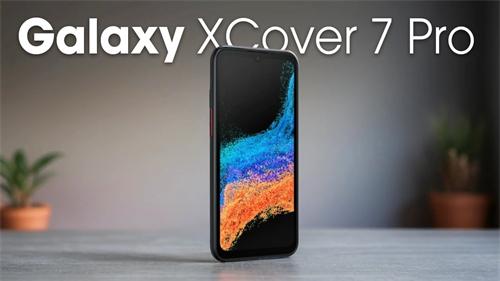
Why pick it: Balanced between performance and ruggedness.
Limitations: Rugged phones tend to be bulkier and may lag behind mainstream flagship cameras or performance specs.
UlefoneArmor34Pro5G: This is an “extreme” rugged smartphone: IP69K + IP68 + MIL-STD-810H certified. Massive battery (25,500mAh), built for serious field work.
Why pick it: For ultra-harsh conditions and long autonomy.
Limitations: Size and weight; high battery/bulky chassis = less sleek portability.
UnihertzAtoML: Compact rugged smartphone (4.0″) with IP68 rating and geared toward outdoor use. A good choice if you want durability and something pocket-sized.
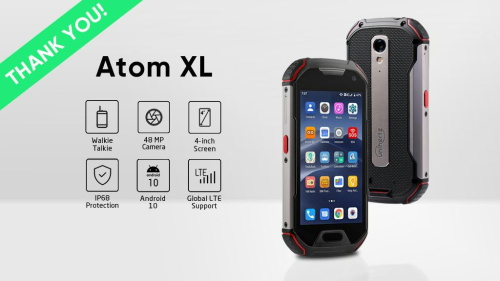
(Image from Kickstarter, the copyright belongs to the original author)
Why pick it: Compact size, decent rugged credentials.
Limitations: Smaller screen; mid-tier specs compared with mainstream flagships.
LaCieRuggedUSB-CHardDrive: Not a phone—but rugged storage. Designed for drops, rain, field use. Professionals in photography or video production use these in the field because they “must not fail”.
Why pick it: If you carry precious data into the field (drones, video shoots, travel blog gear) you want storage that can take a tumble.
Limitations: Only addresses one piece of the system (storage); doesn’t replace rugged phone or laptop needs.
UnihertzTitanRugged Smartphone: A rugged smartphone with IP67 rating and a physical QWERTY keyboard. Great for folks who still type heavily, are outdoors, or want standout durability and tactile input.
Why pick it: Unique design, rugged body, good for outdoors/field work where keyboard entry is useful.
Limitations: IP67 is slightly less than top IP68/69K; may be niche in appeal.
UnihertzAtom (4GRugged): More budget-focused rugged phone: IP68 rating, compact and rugged. For those who need durable phone but not flagship budget.
Why pick it: Value entry into rugged-phone territory.
Limitations: 4G only; may lack high-end features.
JBLCharge5Portable Waterproof Speaker: Again, stepping outside phones: this is a speaker but built to survive the element (IP67 water/dust). A good example of durable electronics beyond phones.
Why pick it: If you bring technology outdoors (camping, beach, poolside) you want gear that can be dropped or wet.
Limitations: It’s audio gear—does not substitute for rugged phone or laptop. But shows the broader category of “durable electronics”.
OtterBoxDefenderSeriesProMagSafePhoneCase: If you aren’t ready to buy a full rugged device, a strong protective case is a practical alternative. This is for iPhones with MagSafe, high drop protection corners, etc.
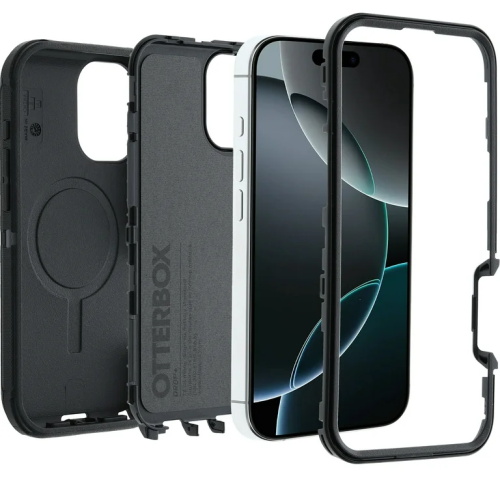
Why pick it: Good budget approach to keep your “regular” device safer.
Limitations: Doesn’t make a standard phone rugged—just makes it more drop resistant. Underlying phone may still be fragile.
“Drop-proof” electronics you can live with
If you remember just three things from this article:
Look for IP + MIL-STD + actual drop height specs—don’t rely solely on “rugged” marketing.
Match device durability to your real usage scenario—for field work go full rugged; for everyday use maybe a strong case and good protection suffice.
Durability adds real value—less downtime, fewer surprises, better resale, and more confidence. The picks above cover a spectrum from full rugged phone (Samsung XCover7 Pro, Ulefone Armor 34) to rugged storage (LaCie) and budget protection (OtterBox case).
In a world where our devices are constantly moving between places (pockets, drop zones, rain, dust, stairs), buying for durability is buying for peace of mind. If you’re tired of watching your phone skid across concrete, or you carry gear into unpredictable places, choosing one of these “drop proof” electronics could save you more than money—it could save hassle, stress, and data.
Sources:
1: https://en.wikipedia.org/wiki/Gorilla_Glass
2: https://www.techradar.com/pro/samsungs-latest-smartphone-has-a-very-simple-feature-that-no-other-samsung-phone-offers-right-now
References:
https://www.teenvogue.com/story/gorilla-glass-5-survive-drops-smartphone
https://nuffieldtechnologies.com/resources/blog/2021/04/30/rugged-device-ratings
https://www.verizon.com/business/products/mobile/rugged-phones
