Related Articles




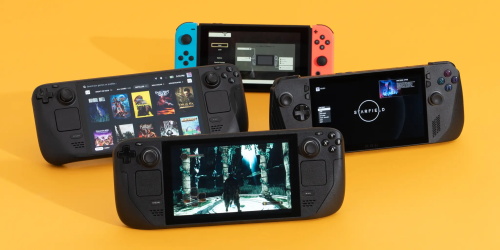
If you’re on the hunt for a new gaming system this year—whether that’s a full-fledged console for your living-room or a handheld you can take on the go—2025 is a strong time to buy. We’re living in a transitional era of gaming hardware. The big home consoles from the major brands have matured: 4K/120 Hz support is increasingly common, game libraries are rich, and backward-compatibility is stronger than ever. Meanwhile, handheld and portable gaming have transformed from quirky sidebets into serious contenders: PC-grade performance in your backpack, cloud streaming, hybrid consoles that blur living-room and travel use, and more all challenge the assumptions of just a few years ago.
So whether you’re a casual player looking for simple “plug and play” excitement, a hardcore gamer debating performance vs portability, or somewhere in between—this guide will help you cut through the hype, avoid buyer’s remorse, and pick the system that fits your lifestyle rather than the latest billboard.
What’s going on in the console & handheld space?
The home console market
The current generation of big consoles (from brands like PlayStation and Xbox) are now well into their lifecycle. For example, the console reviewed as the best overall in many 2025 round-ups is the PS5 Slim, which offers the same core performance as the launch version but in a more refined form factor. Key themes:
Performance is largely “good enough” for 4K, 120 Hz, ray tracing support in many cases.
Game libraries are mature: many top‐tier exclusives, good cross-platform support, strong backward compatibility.
On the downside: storage capacity is tight, game sizes keep growing, and hardware upgrades are incremental rather than revolutionary.

So for someone buying a home console now, what matters most: which system aligns best with your game preferences, whether you prefer physical discs vs digital, what display/TV you own (1080p vs 4K vs 120 Hz), and what your budget is.
The handheld / portable space
This is arguably the more dynamic, interesting segment right now. Handheld gaming has moved beyond simple “mobile console” to full-fledged gaming PCs, hybrids, cloud gaming devices, etc. Some key points:
There are high‐end handhelds running Windows 11, full games, large SSDs, 120 Hz screens. For example, the ASUS ROG Ally X (2025) is one.
The handheld market is becoming highly competitive: between ultra‐portable consoles (like earlier models of the Nintendo “Switch” line) and full-PC handhelds.
The question for many isn’t just can a handheld play games, but how well and what library/format they support (PC games, cloud, native).
Battery life, screen quality, controls ergonomics, ecosystem (game support, compatibility) matter more than raw specs alone.
So if you are considering handheld or gaming on the go, you’ll need to ask: Are you okay with cloud / digital games? Do you want the same library you have on PC/TV? How portable do you need it to be? What performance do you expect?
Top recommendations for “what’s worth buying now”
Based on all this, here are the actual products I recommend right now, divided into two categories: home consoles and handheld/portable gaming systems.
Home Consoles (for TV/living room gaming)
PlayStation 5 Slim: Highly recommended for the majority of gamers. According to TechRadar: “The PS5 Slim offers the same great performance as the original PS5 but offers a superbly redesigned, slick aesthetic and smaller chassis.”1
● Pros: Excellent game library (especially PS exclusives), strong performance, more compact than earlier models.
● Cons: It’s not a huge performance jump over the launch version, and some users note storage may fill quickly with modern games.
For whom: If you want a plug-and-play console, want access to big single-player titles, and want future game support.
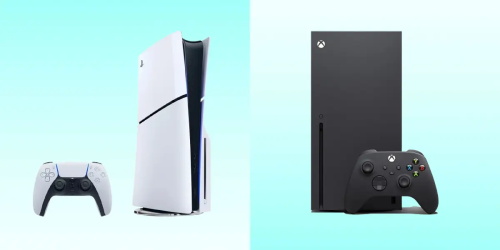
Xbox Series X: The power-house Xbox option.
● Strengths: Raw performance, strong value when paired with services like Game Pass, excellent backward compatibility across older Xbox generations.
● Consideration: If you care primarily about Xbox exclusives and ecosystem (PC/Xbox play).
Note: If you are on a tighter budget or can accept lower specs (1080p/60fps, fewer features), there are other options too—but for this article I’m focusing on what I believe is worth buying now rather than bargain models only.
Handheld / Portable Gaming Systems
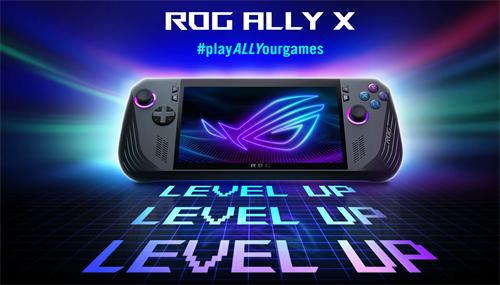
ASUS ROG Ally X: A very powerful Windows-based handheld console/PC hybrid.
● Pros: High refresh display (120 Hz), full Windows ecosystem (Steam, Xbox Game Pass, PC launchers), very portable form but high power.
(Image from MMORPG.com, the copyright belongs to the original author)
● Cons: Battery life is middling (~3 hours under intensive use). Also, cost is high and complexity may exceed casual handheld expectations.
For whom: Hardcore gamers wanting a portable PC gaming experience, or those who want to play their PC library on the go.
Lenovo Legion Go: Another strong handheld option, though a bit less ultra-premium than the Ally X. A good choice if you want high performance but maybe a bit more balanced.
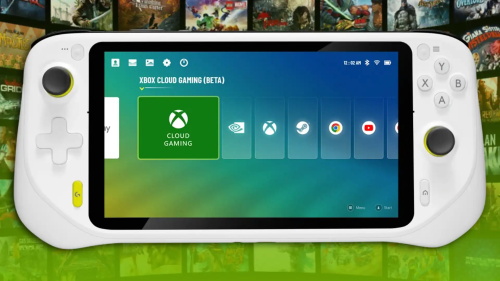
Logitech G Cloud Gaming Handheld: A cloud-streaming-first handheld option.
● Pros: Lower cost, lightweight, ideal for streaming services like Xbox Cloud Gaming or GeForce NOW.
(Image from PC World, the copyright belongs to the original author)
● Cons: Depends heavily on WiFi / internet connection for full experience, doesn’t have the same local native gaming power.
For whom: Someone who travels, has good internet, wants something affordable, and is fine with cloud gaming rather than native AAA performance.
Things to watch out for right now
Storage bottleneck: Even top consoles may require SSD upgrades if you install many big games. Some newer revisions may reduce storage to hit price points. Example: PS5 Slim Digital in Europe reportedly downgraded from 1 TB to 825 GB but kept price.2
Battery life & performance tradeoffs in handhelds: High performance handhelds are impressive, but battery life tends to be weaker. If you’ll be using it away from power often, this matters.
Ecosystem lock-in: Once you pick a platform (PS, Xbox, PC, cloud), your library, account, subscriptions, and accessory ecosystem all matter.
Display mismatch: If you buy a console capable of 4K/120Hz but you only have a 1080p/60Hz TV, you’re not using it to its full potential.
Upcoming next-gen timing: If you buy now and a major new generation drops in a year or two, you might feel you “missed” something — though many developers support current hardware for years to come.
Handheld weight/comfort: Important if you’ll hold it for long sessions; size, ergonomics, ventilation, heat all matter.
Internet/cloud dependency: If you pick a streaming-first handheld, you’ll need a strong, consistent internet connection; performance can degrade with weaker networks.
If you’re buying a living-room console right now and want a strong all-round experience: go with the PS5 Slim.
If you prefer the Xbox ecosystem, want best backward compatibility, and services like Game Pass matter to you: pick the Xbox Series X.
If you want high-end handheld/portable gaming and are comfortable with cost & trade-offs: the ROG Ally X is the premier pick.
If you want more affordable, more portable, streaming-friendly handheld gaming: the Logitech G Cloud is a smart option.
If you’re on a tighter budget or willing to wait for the next generation: there’s absolutely nothing wrong with sticking to what you have or waiting—just be aware of upcoming releases and your own usage.
Ultimately “worth buying now” means worth for your use case and budget, not simply buying the most powerful device. So define how you will play, where you will play, what you care about (exclusives, portability, ecosystem)—and then pick the device that aligns.
Sources:
1: https://www.techradar.com/gaming/ps5-slim-review
2: https://www.theverge.com/news/789686/sony-digital-ps5-slim-less-storage-europe
References:
https://gadgetshaker.com/next-gen-consoles-how-2025-is-redefining-gaming-hardware
https://techreviewsuk.com/2025/08/22/sony-ps5-slim-next-gen-gaming-power-in-a-sleek-slim-design