Related Articles




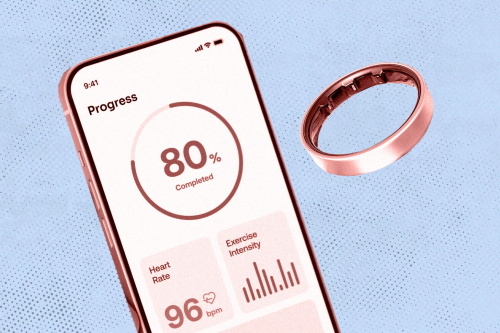
Wearable technology has come a long way. What started as simple pedometers that tracked your steps now offers a rich ecosystem of health, wellness and performance data—often on your wrist or finger. In this article we’re diving into the modern era of wearables, especially smartwatches and smart rings, how they’re being used, what they can really track (and what they can’t), and how to choose one that fits your lifestyle and goals. We’ll also highlight some of the top devices in both categories so you have concrete examples. Whether you’re a health-data aficionado, someone looking to upgrade from a fitness band, or simply curious about how much your wearable can tell you, this article has you covered.
Wearables 2.0: What the Latest Smartwatches & Rings Can Do
The evolution of wearables
Originally your wrist tracked steps, maybe heart rate, possibly sleep. But nowadays both smartwatches and rings are aiming to become continuous health monitors, with features like:
● Heart rate (HR), heart rate variability (HRV)
● Blood oxygen level (SpO₂)
● Skin or body temperature changes
● Sleep staging and quality
● Stress or recovery metrics
● Activity detection (exercise types, intensity)
● In some cases, readiness or recovery scores
● Some early research lines explore hydration, even biological age estimation
What rings do differently?
Smart rings have some unique advantages:
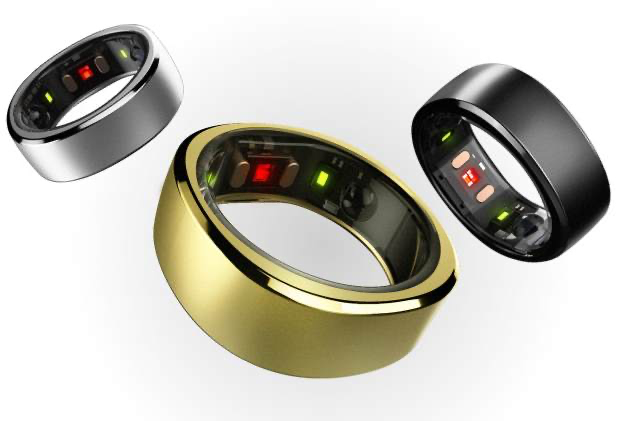
● They're very discreet and minimal—no big display or bulky strap.
● They tend to get better stability on a finger during sleep, fewer wrist-movements.
● Because they’re compact, they may be more comfortable to wear continuously (even during sleep or shower).
What smartwatches do differently?
Watches bring their own set of advantages:
● Larger display means more interaction: you can see your stats, get alerts, view apps and notifications.
● More space for sensors: many include ECG, blood-pressure estimation (in some markets), or more advanced motion sensors.
● Often better suited for active workouts (running, cycling, swimming) because strap stays tight on wrist, easier motion capture.
Recommended Devices Worth Considering
Here are 8 strong options (4 rings, 4 watches) that illustrate what’s possible. These are not exhaustive but provide a snapshot of the current top tier.
Samsung Galaxy Watch7: A top tier smartwatch with full health-tracking features: heart rate, SpO₂, sleep, readiness scores, plus the whole smartwatch ecosystem (apps, notifications). Ideal for someone who wants all of it in one device.
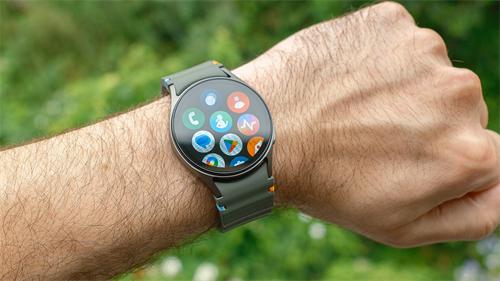
(Image from Tom's Guide, the copyright belongs to the original author)
Fitbit Sense 2: Focused more on wellness and stress, with features like body response tracking, guided breathing, sleep profiles. Good blend of watch + health insights.
Withings ScanWatch 2: Lean towards the health-monitoring side, hybrid look (less “techy watch”), regulatory-compliant heart-health features, great if health monitoring is front and centre.
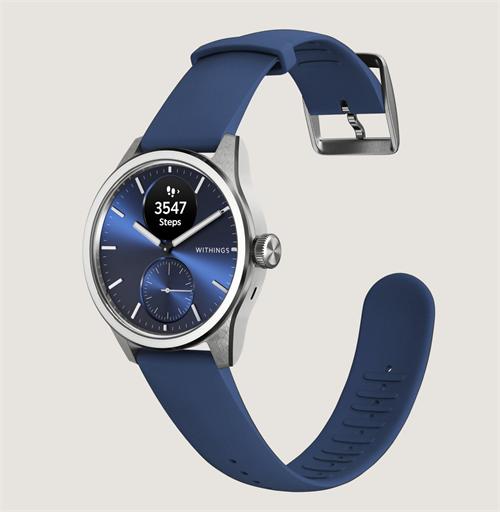
(Image from Withings, the copyright belongs to the original author)
Garmin Vivoactive 5: Sport and activity oriented, good for those who train regularly, want performance metrics + health stats.
Oura Ring 4: A premium smart ring focused on biometrics: HR, HRV, temperature, sleep quality, readiness. Ideal for 24/7 wear for recovery and wellness.
Ultrahuman Ring AIR: A lighter, more minimalist ring alternative for those who prefer ultra-low profile.
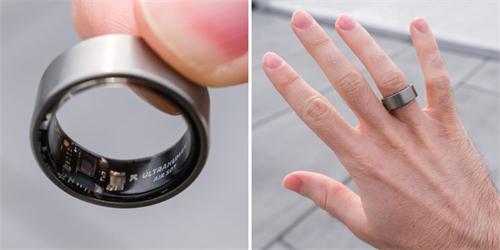
(Image from NBC News, the copyright belongs to the original author)
Samsung Galaxy Ring: Samsung’s ring offering, integrates with their ecosystem; good if you’re already in the Samsung universe.
RingConn Gen 2 Air: A more budget-conscious smart ring option; fewer bells and whistles but covers many core features.
What These Wearables Are Actually Being Used For?
Recovery and readiness tracking
Athletes and everyday users alike are using wearables to check not just “did I train?” but “should I train today?”. Readiness scores (which combine sleep, HRV, previous load) help inform whether to push or rest. Watches that provide this kind of feature (like Galaxy Watch7 or Vivoactive 5) are especially useful here.
Sleep and recovery
Sleep is arguably one of the most valuable health behaviours to track. Rings like Oura Ring4 or Ultrahuman Ring are particularly adept here. One study found the ring “outperforms” the watch in certain sleep parameters under free‐living conditions. So if you’re struggling with sleep or recovery, a smart ring might be an excellent choice.
Stress or autonomic system monitoring
Metrics like HRV, body-response, recovery time and temperature changes are increasingly used to assess stress, readiness, and need for rest. Watches like Fitbit Sense2 emphasise that. The broader literature supports that consumer wearables can detect changes in physiological state if used correctly.
Early health warnings and long term monitoring
In clinical and research settings, wearables are being explored for monitoring chronic disease, early illness detection, etc. For instance:
A ring study found changes precede COVID-19 symptoms by ~2.5 days.
A review highlighted the potential of smartwatches in monitoring and predicting health outcomes over 25 years of research.
This means that, while they’re not a substitute for medical diagnosis, wearables can complement your health toolkit by giving more continuous data.
How to Get the Most Out of Your Wearable?
Wear it consistently
The more you wear it (especially at night and during rest), the more data baseline the device builds—making insights more meaningful.
Review trends, not just daily snapshots
Focus on how your metrics change over days/weeks (sleep quality, readiness scores, HRV) rather than obsessing on one day's numbers.
Use the insights to take action
If your wearable shows you’re under-recovered, use it. Sleep more, reduce intensity, schedule a rest day. The value isn’t just in viewing data—it’s in adjusting behaviour.
Be mindful of data overload
Having too many alerts or metrics can lead to anxiety (“Am I OK today? Why is my HRV low?”). Use the data as guidance, not alarm.
Understand the limitations
Don’t assume one number from a ring or watch is perfect. Use it as approximate, and if something feels off—see a healthcare professional. For example, HRV from a smartwatch might differ from clinical measurement. Don’t use it to skip medical check-ups.
Privacy and security
Know what data your wearable app collects and how it’s used. Some wearables collect more personal information than others. Also if you have implanted devices, discuss with your doctor: some wearables might interfere in rare cases.
What’s Next for Wearables?
The future is exciting. Some emerging trends:
● More sophisticated sensors (hydration sensors, spectroscopy embedded in wearables) like the “HydroTrack” prototype.
● Better algorithms that estimate biological age, circadian rhythms, readiness more precisely. For example, the “CosinorAge” project uses wearable-derived rhythms to estimate biological age.
● Integration with clinical care: more wearables gaining regulatory approvals (or at least validation) for health screening and monitoring.
● Smaller form-factors with long battery life and minimal interaction; rings are one example of this trend.
● More personalised insights, not just generic metrics: coaching, nudges, tailored recommendations.
Smartwatches and smart rings are no longer just novelty tech—they’re serious tools for wellness, recovery, and health monitoring. That said—they are tools, not replacements for good habits and medical care.
If your priority is active workouts, tracking sessions, seeing your metrics and interacting with your device—go for a smartwatch with robust health features.
If your priority is recovery, sleep, minimalism, continuous wear and comfort at night—consider a smart ring.
In both cases, choose a device that fits your lifestyle, comfort level, ecosystem (iOS/Android) and budget—and plan to wear it consistently and use the data wisely.
For most people starting out, a watch like the Galaxy Watch7 or Fitbit Sense2 offers broad features and flexibility. But if you’re already comfortable with wearables and want something ultra‑low‑profile for recovery/sleep, a ring like the Oura Ring4 is a standout.
References:
https://mhealth.jmir.org/2020/11/e20465
https://time.com/6266843/oura-ring-detect-covid-19-before-symptoms
https://www.jmir.org/2024/1/e58936
